Get Livestock Fencing Installation
Local contractors provide livestock fencing installation services to secure property boundaries, contain animals, and support various agricultural or ranching projects.
Proper livestock fencing is essential for maintaining a safe and secure property. Whether managing grazing areas, protecting crops, or containing animals, property owners often explore fencing installation options to meet their specific needs. Planning such projects involves considering the types of fencing suitable for the landscape and the goals of the property, making it helpful to compare local contractors experienced in livestock fencing.
By exploring local service providers, property owners can find experienced contractors who understand the unique requirements of livestock fencing in the area. Continuing to read can help identify qualified professionals capable of delivering durable and effective fencing solutions, supporting the practical needs of agricultural or rural properties.
- Fencing for Livestock Enclosures - needed when setting up secure areas to contain cattle, horses, or other farm animals.
- Pasture Boundary Fencing - required to define property lines and prevent animals from wandering off.
- Ranch Fencing Installations - necessary for large-scale fencing projects on expansive rural properties.
- Erosion Control Fencing - used to protect land and livestock during periods of heavy rain or flooding.
- Temporary Fencing for Livestock Events - suitable for short-term containment during shows, fairs, or farm activities.
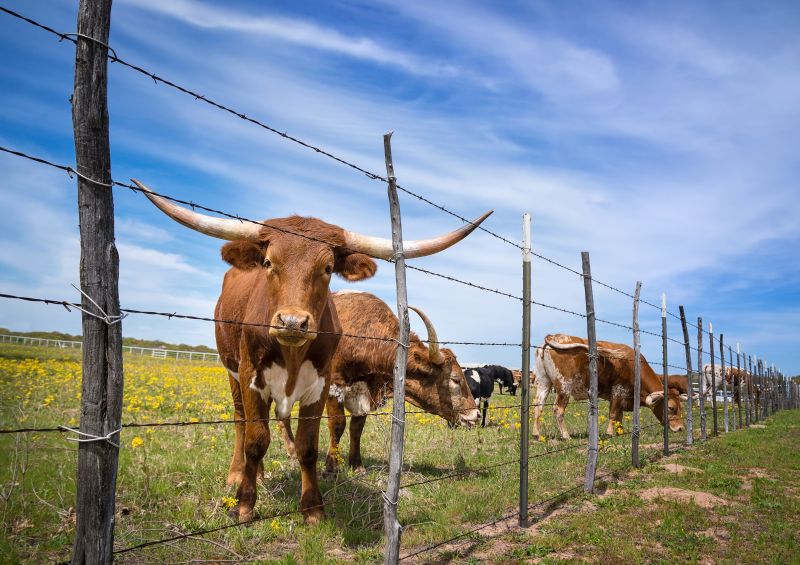
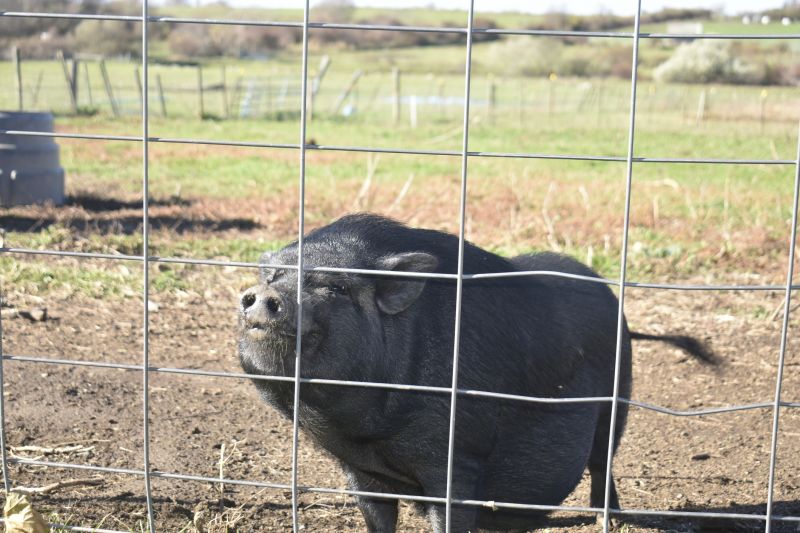
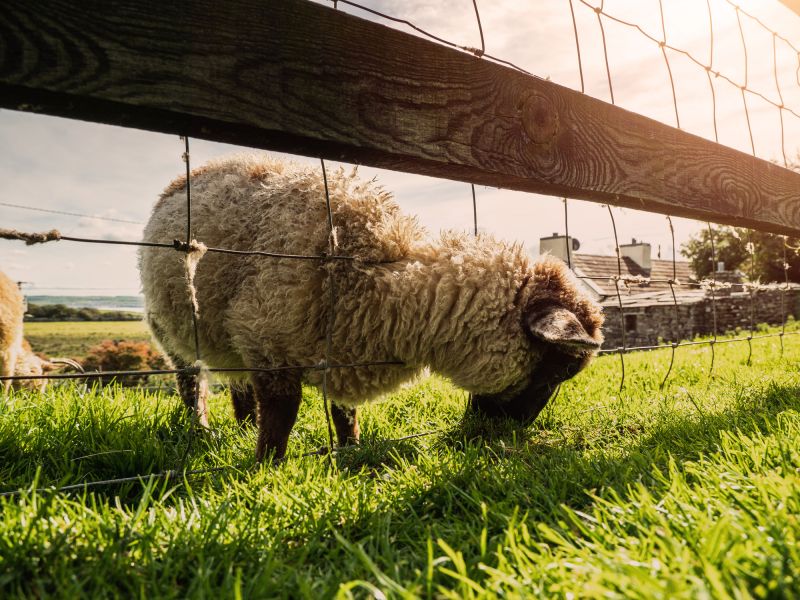
Livestock fencing installation involves setting up durable barriers designed to contain animals and prevent them from wandering off the property. These fences are typically constructed using materials such as wood, wire, or vinyl, tailored to meet the specific needs of the livestock and the property’s layout. Professional service providers assess the land, plan the fencing layout, and install the barriers securely to ensure they stand up to animals' attempts to breach them. Proper installation helps maintain a safe environment for both the animals and the property, reducing the risk of escapes or damage caused by livestock roaming freely.
This service addresses common problems faced by property owners with livestock or animals that require containment. Without effective fencing, animals may escape, leading to safety concerns, potential damage to neighboring properties, or loss of valuable livestock. Additionally, inadequate fencing can result in increased maintenance costs or the need for frequent repairs. Installing a reliable fence provides peace of mind by creating a secure boundary that minimizes the chances of animals escaping or being harmed, and it can also help prevent unwanted wildlife from entering the property.
Properties that typically use livestock fencing include farms, ranches, and rural properties with grazing animals such as cattle, horses, sheep, or goats. Even some larger residential properties with backyard farm animals may benefit from secure fencing solutions. These fences are often customized to suit the type of animals being contained, the terrain, and the property’s overall layout. Whether it’s a small homestead or a large agricultural operation, professional fencing installation can help ensure animals stay safely within designated areas while also maintaining the aesthetic and functionality of the property.
Homeowners or property managers considering livestock fencing should look for local service providers experienced in installing fences suited to their specific needs. These professionals can evaluate the property, recommend appropriate fencing materials, and ensure the installation is done correctly to provide long-lasting security. By working with trusted local contractors, property owners can find the right fencing solution that fits their livestock containment requirements, property size, and budget, ensuring a safe and secure environment for their animals.
The overview below groups typical Livestock Fencing Installation projects into broad ranges so you can see how smaller, mid-sized, and larger jobs often compare in your area.
In many markets, a large share of routine jobs stays in the lower and middle ranges, while only a smaller percentage of projects moves into the highest bands when the work is more complex or site conditions are harder than average.
Smaller Repairs - Most minor fencing repairs, such as fixing broken boards or tightening loose posts, typically cost between $250 and $600. Many routine jobs fall within this range, depending on the extent of repairs needed.
Standard Fence Installation - Installing a new livestock fence usually ranges from $1,200 to $3,500 for most projects. Local contractors often complete these installations within this typical cost band, with fewer projects reaching higher amounts for added features or larger areas.
Full Fence Replacement - Replacing an entire livestock fencing system can cost between $4,000 and $8,000 or more, especially for larger or more complex setups. Larger, more involved projects tend to push into the higher end of this range.
Custom or High-End Fencing - Custom-designed or premium fencing options may range from $8,000 to $15,000+, depending on materials and project scope. Many projects fall into mid-range costs, with only the most extensive or elaborate installations reaching the top tiers.
Actual totals will depend on details like access to the work area, the scope of the project, and the materials selected, so use these as general starting points rather than exact figures.
Fence Repair and Maintenance - local contractors skilled in repairing and maintaining fencing structures can handle projects similar to livestock fencing installations, ensuring durability and security.
Farm Gate Installation - installing farm gates requires knowledge of fencing systems, tools, and planning, making it a related service offered by many local pros.
Pasture Layout Planning - designing effective pasture layouts involves planning and fencing skills that are applicable to livestock fencing projects.
Field Boundary Marking - marking and setting boundaries for agricultural or livestock areas involves similar planning and installation techniques as fencing services.
Animal Enclosure Construction - building enclosures for various types of livestock involves fencing skills, material selection, and site preparation comparable to fencing installation.
Agricultural Fencing Services - other types of agricultural fencing, such as crop protection or perimeter fencing, share tools and planning approaches with livestock fencing projects.
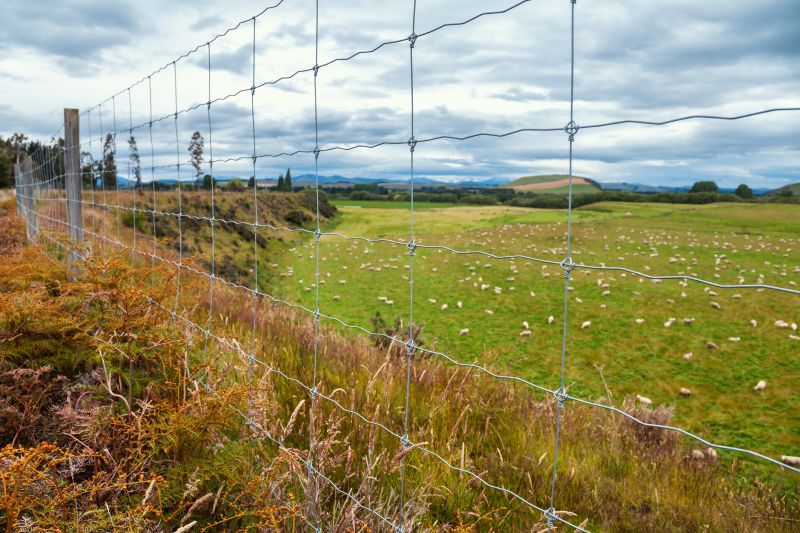
When comparing service providers for livestock fencing installation, it’s important to consider their experience with similar projects. Homeowners should look for local contractors who have a proven track record of installing fences in environments comparable to their own, whether it involves large pastures, small enclosures, or specific fencing materials. An experienced contractor can better anticipate potential challenges and provide insights based on past work, helping to ensure the project is completed efficiently and effectively.
Clear, written expectations are essential when evaluating different local pros. Homeowners should seek providers who can offer detailed descriptions of their services, including the scope of work, materials used, and any relevant project specifications. Having this information in writing helps prevent misunderstandings and provides a reference point throughout the project, ensuring that everyone is aligned on the goals and deliverables from the outset.
Reputable references and good communication are key indicators of a reliable service provider. Homeowners are encouraged to ask for references from previous clients who had similar fencing projects, as their experiences can shed light on the contractor’s professionalism and quality of work. Additionally, responsive and transparent communication from the service provider can make the process smoother and more predictable, fostering a positive working relationship and confidence in the chosen contractor.
Property owners use Livestock Fencing Installation services for practical projects around their homes and businesses. This guide focuses on everyday jobs and straightforward project options.
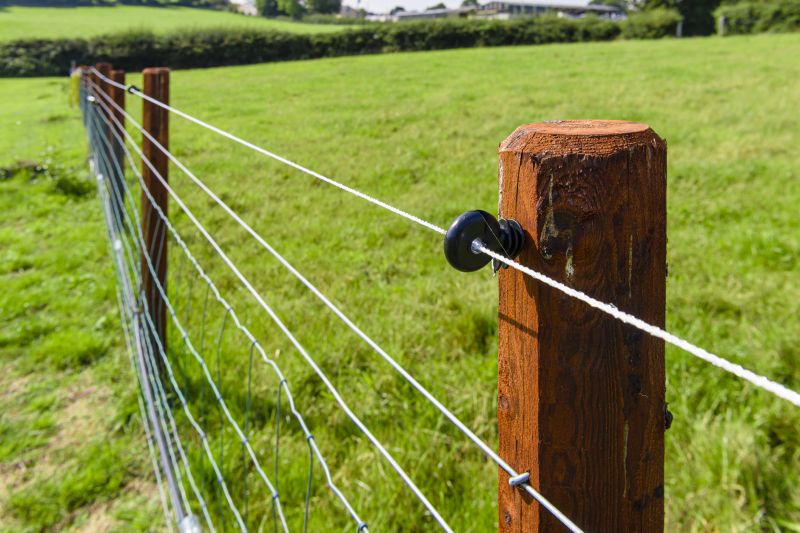
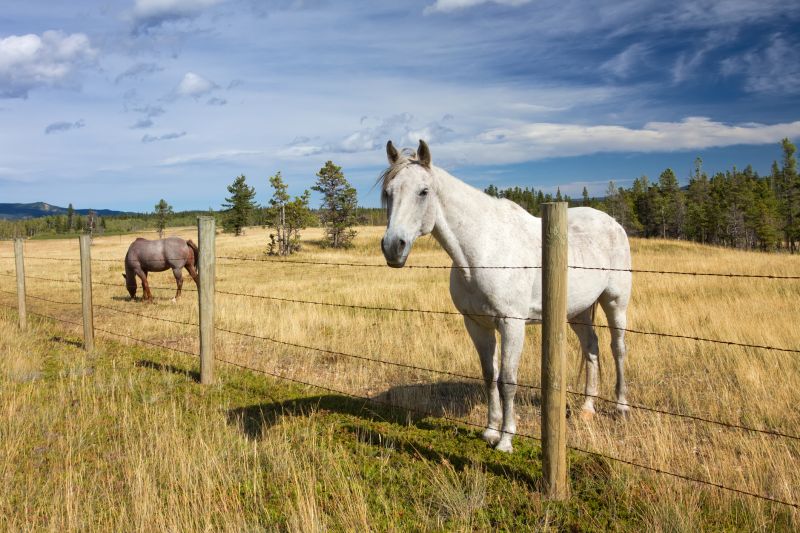
Livestock fencing installation is a common project for property owners in the area who need to contain animals or define property boundaries. Whether someone has recently acquired livestock, expanded their farm, or simply wants to improve security around their land, local contractors can provide the necessary expertise to install durable and effective fencing solutions. These professionals understand the specific needs of rural and agricultural properties, helping owners select the right materials and design to suit their livestock and property layout.
Many property owners seek fencing services to prevent animals from wandering off or to keep unwanted visitors out. Fencing can also serve as a visual boundary marker, enhancing privacy and property management. Local service providers are equipped to handle various project situations, from replacing old, damaged fencing to installing new enclosures that meet the unique requirements of each property. Connecting with experienced contractors ensures that fencing projects are completed efficiently and to the standards needed for reliable livestock containment.
What types of fencing materials do local contractors install for livestock? Local service providers typically install a variety of fencing materials, including wood, wire, vinyl, and electric fencing, to suit different livestock needs and property types.
Can local contractors customize livestock fencing to fit specific property layouts? Yes, many local pros can design and install fencing that accommodates irregular property boundaries, terrain, and specific livestock containment requirements.
Do livestock fencing installations include gates and access points? Most service providers include the installation of gates and access points as part of their livestock fencing services to ensure convenient entry and exit for animals and equipment.
Are there options for portable or temporary fencing for livestock? Yes, some local contractors offer portable or temporary fencing solutions that can be moved or adjusted as needed for grazing or special events.
What factors influence the choice of livestock fencing installation methods? Factors such as the type of livestock, property size, terrain, and budget typically influence the selection of fencing materials and installation techniques used by local service providers.
Farm Boundary Marking - Installing livestock fencing helps define property borders and prevents animals from wandering off the land.
Animal Containment - Fences provide a secure enclosure for livestock, ensuring they stay within designated areas.
Garden Protection - Erecting fencing around gardens can keep animals out and protect crops from damage.
Erosion Control - Proper fencing can help manage soil erosion by creating barriers along slopes or vulnerable areas.
If you are thinking about Livestock Fencing Installation for a property, this guide is meant to help you understand the work, the typical project types, and how different options might fit your plans.
When you are ready, you can use the quote form on this page to share a few details about your project. From there, local pros can review the basics and respond with options that match what you have in mind.